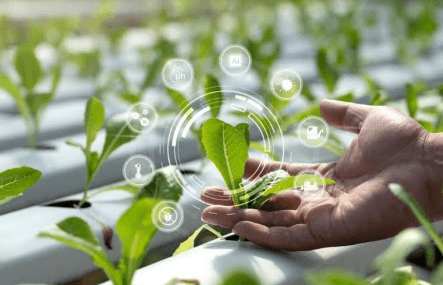

Technology is reshaping agriculture through sensors, automation, and autonomous platforms. Data from soil, weather, and yields informs real-time decisions and precise inputs. This shift improves efficiency, reduces waste, and supports climate resilience. Adoption hinges on interoperable standards, targeted financing, and practical training. Barriers persist, but scalable models and actionable metrics offer potential gains. The outcome depends on how well systems integrate, verify results, and sustain producer confidence as capacity expands.
What Tech Is Redefining Modern Agriculture
Advances in digitalization, sensing, and automation are redefining modern agriculture by turning farm operations into data-driven processes. The focus here is on transformative technologies that optimize inputs, monitor conditions, and automate tasks.
Precision irrigation and drone mapping illustrate how real-time analytics guide resource use, while autonomous platforms enhance operational consistency.
This measured approach underpins scalable, adaptable farming models, prioritizing efficiency, resilience, and freedom to innovate.
How Data Drives Better Yields and Resource Use
Data-driven farming converts observations into actionable management, linking sensor inputs, weather forecasts, and historical performance to optimize yields and resource use. The approach aggregates real-time metrics, enabling adaptive decisions that reduce waste and environmental impact.
Data driven farming supports targeted interventions, while precision inputs minimize inputs and maximize efficiency. Analytical systems quantify risk, improve harvest planning, and sustain yield potential through transparent, evidence-based resource allocation.
Barriers to Adoption and How to Overcome Them
Barriers to adoption in agricultural technology arise from a combination of cost, interoperability, and organizational constraints, with each factor influencing stakeholders differently. Cost barriers limit capital access and scale; interoperability challenges impede system integration; organizational constraints affect training and governance.
Overcoming these barriers requires targeted financing, interoperable standards, and clearly defined training needs, enabling informed decisions, smoother deployment, and sustained technological advancement.
Real-World Impacts for Farmers, Communities, and Climate
The real-world impacts of agricultural technology manifest across farm productivity, community resilience, and climate outcomes, building on insights about adoption barriers by showing how scalable tools translate into measurable results.
Precision farming improves yields, resource efficiency, and soil health; microgrids adoption enhances energy reliability, reduces emissions, and supports rural resilience, enabling data-driven decisions that scale with farm size and community needs.
Frequently Asked Questions
How Affordable Is Agtech for Smallholder Farms?
Affordable accessibility varies; initial capital and maintenance costs constrain many smallholder farms. Analyses show mixed results, with favorable impacts where subsidies and local financing exist, improving smallholder economics and adoption rates, though affordability remains uneven and context-dependent.
What Are the Privacy Concerns With Farm Data?
Privacy risks and data ownership define farm data concerns; sensors and platforms can expose weather, yields, and practices. The analysis shows uneven ownership, opaque sharing terms, and potential misuse, emphasizing consent mechanisms, clear data-use limits, and enforceable contracts.
Can Robots Replace Seasonal Labor Entirely?
Autonomous harvesters cannot fully replace seasonal labor currently; robotics scheduling optimizes tasks but expects labor displacement and transitional gaps. Data-driven assessments suggest partial automation reduces demand peaks while preserving human roles within mixed, flexible farming workflows for freedom-minded stakeholders.
See also: The Role of Technology in Banking
How Is Soil Health Tracked Beyond Sensors?
Soil health is tracked through long-term metrics beyond sensors, including soil biology, microbial diversity, enzyme activity, and organic matter trends, integrated with crop performance data to form a comprehensive, data-driven assessment guiding management decisions for sustainable yields.
What Local Policies Support or Hinder Adoption?
“Where there’s a will, there’s a way.” Local policies offer policy incentives and funding barriers, shaping adoption; data governance and privacy safeguards influence trust. The analysis shows nuanced effects on farmers’ decisions, with measurable regulatory risk and opportunity.
Conclusion
Technology has indeed redefined agriculture, delivering precision, data-driven decisions, and scalable farming. Yet the irony persists: advances promise efficiency while demanding new data workflows, interoperability, and capital upfront. The evidence shows improved yields, resource savings, and climate resilience, but adoption gaps remain among smallholders and regions with limited access. If technology edges toward inclusive implementation, farmers will harvest benefits beyond margins—cultivated by standardized data, well-taired training, and equitable financing, not by gadgets alone.